
 Indonesia
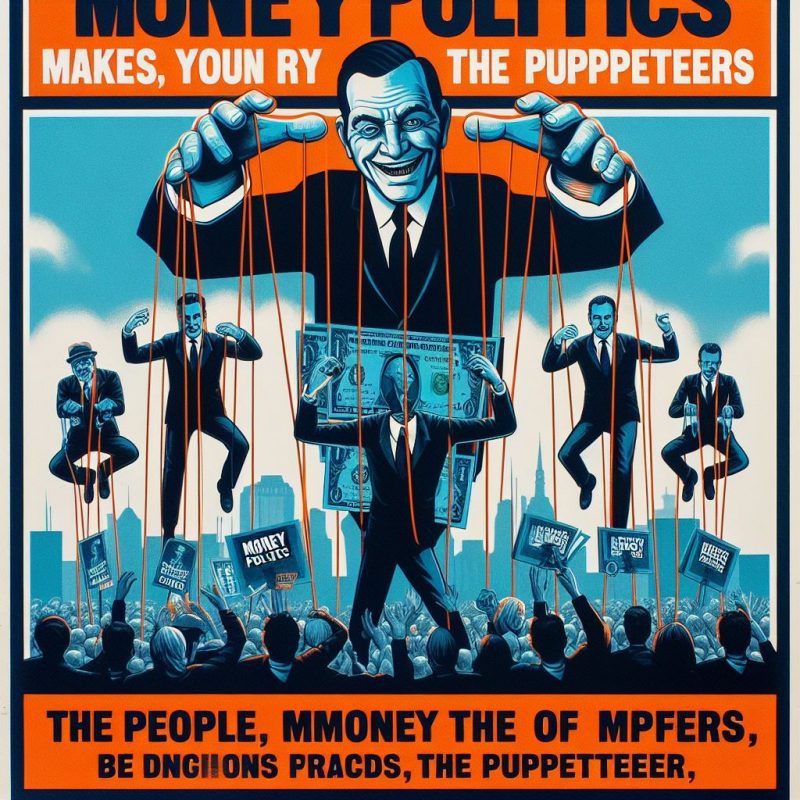
Amidst the hustle and bustle of the democratic process, the specter of money politics looms large. This illicit practice is like a virus that erodes the very foundations of democracy, reducing the people’s sovereignty to a commodity to be bought and sold. Ironically, the people, as the holders of sovereignty, often become the main actors in perpetuating this corrupt system.
Money politics has become an addiction that ensnares both the people and politicians. On one hand, the people are lured by the promise of money, basic necessities, or sweet promises offered by candidates. On the other hand, politicians, obsessed with seats of power, are willing to dig deep into their pockets to buy votes.
Money politics is like a ticking time bomb ready to explode. Democracy is hijacked, giving rise to incompetent leaders who care only about their own interests. The people’s voices are silenced, replaced by the echo of money in the voting booths.
Read also: The Silent Melody from the Shadows: When Social Media Campaign Teams Lack Political Literacy
Root of the Problem: Mentality and Structure
The phenomenon of money politics is not merely a moral issue, but also a reflection of a skewed mentality and structure. A “favoritism” mentality and feudal culture remain deeply entrenched in society. People are trapped in a cycle of poverty and dependence on political patronage.
An oligarchic political structure and a lack of political education exacerbate the situation. Lack of control and law enforcement allow political corruption to flourish.
In an oligarchic political structure, power is often concentrated in the hands of a handful of individuals or groups who control political and economic resources. The lack of political pluralism and public participation makes it difficult for new ideas or more democratic changes to emerge. This imbalance of power hinders the development of an inclusive political system and leads to the formation of an oligarchy that enriches itself while neglecting the interests of the general public. This lack of political education among the masses makes it difficult for them to understand these power dynamics and participate in the political process more effectively.
Read also: False Loyalty: Behind the Smiles of Politicians’ Campaign Teams and Money Politics
Meanwhile, the lack of effective oversight and law enforcement in the political sphere creates opportunities for corruption and the buying of votes. Without robust mechanisms to monitor and control the flow of money in politics, political elites and special interest groups have the opportunity to use their financial resources to influence political processes and public decisions. This creates a cycle in which narrow economic interests can dominate public policy while the needs of broader society are neglected. Lack of strict law enforcement against corruption and money politics also erodes public trust in political institutions and the system as a whole, exacerbating political dissatisfaction and alienation among the public.
Trapping the People in a Vicious Cycle
Money politics not only undermines democracy but also traps the people in a vicious cycle of poverty and underdevelopment. The money given to voters in the form of money politics often fails to create the structural changes needed to address the root causes of poverty and inequality. Instead, it merely provides temporary, unsustainable aid that does not empower the community as a whole.
By accepting bribes in exchange for aid, people become trapped in a cycle of dependency in which they have no control over their own future.
People are trapped in a cycle where they must “sell” their votes to receive aid, which ultimately leads to the rise of corrupt leaders who do not champion the interests of the people.
Author: Imam Alfafan Yakub
