
 Indonesia
As inherently social beings, human survival depends on communication with one another, whether spoken or written, woven into nearly every activity of daily life in the pursuit of a better, more prosperous existence. Imagine a life stripped of communication entirely: our world would shrink dramatically, our perspective would narrow, our social connections would wither, and prosperity itself would remain out of reach.
Information stands as a critical component of communication between speaker and listener. Consider a government official conveying a new policy to the public through outreach efforts: information delivered via mass media is typically designed to influence its audience.
Product information broadcast on television, for instance, aims to familiarize the public with a product and spark interest in using it, much as information shared through Instagram, Facebook, or printed flyers and brochures serves the same purpose. This type of information generally falls into three categories: factual information, built on facts that can be verified; opinion or conceptual information, reflecting someone’s viewpoint on a matter; and descriptive information, presenting a detailed explanation of a given subject.
According to Indonesia’s official dictionary (KBBI), education carries the same meaning as pendidikan, itself rooted in the word didik, meaning to nurture and provide training, whether in teaching, guidance, or leadership, aimed at shaping moral character and intellectual capacity.
More specifically, education encompasses any condition, event, occurrence, or process that transforms the attitudes and behavior of an individual or group, working to mature human beings through teaching and training.
Someone who guides another through this educational process is called an educator, while the person receiving that guidance is referred to as a student or learner. Educational methods include teaching, providing training, storytelling, facilitating discussion, or directing research.
Community participation, particularly among women, through communication, information, and education aims to foster coherent public policy, especially in addressing social issues on the path toward gender equality and justice. It also seeks to protect communities from the effects of rapid development and social change through collaborative networks.
Several concrete steps can help build meaningful community participation, centered on staying productive and using time in genuinely valuable ways:
First, cultivate innovation in whatever form fits, whether culinary ventures, fashion, or other creative pursuits, such as launching a mask making business amid current trends. This includes happily guiding children through online learning and preparing healthy food, whether for personal consumption or for sale, to help keep family members’ immune systems strong.
Second, women can practice solidarity by organizing donation drives for those in need, particularly other women, whether through staple food packages, masks, or hand sanitizer. This stands as a genuine expression of solidarity.
Third, women can also spread awareness and education through media platforms, while actively rejecting negative stigma toward women and families who have tested positive for the coronavirus.
Fourth, prayer matters deeply in times like these. Women can encourage their families to draw closer to Allah SWT, hoping that loved ones remain protected from the virus, blessed with continued health, and that this pandemic comes to an end soon.
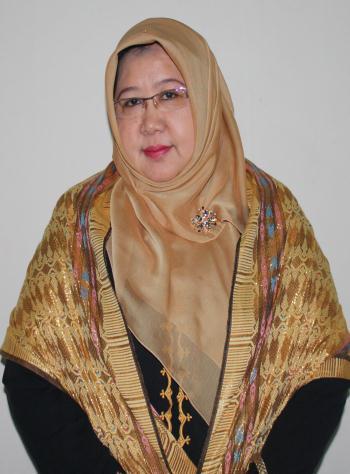
Written by: Dr. Dra. Mutmainnah Mustofa, M.Pd, Head of the Master’s in English Language Education Study Program
This article was also published on Times Indonesia
