
 Indonesia
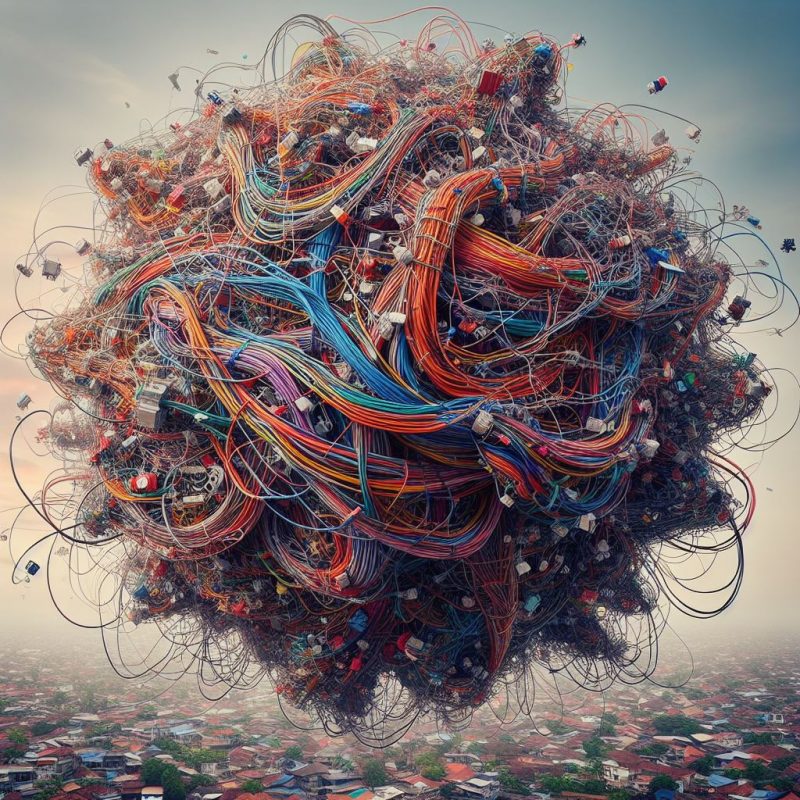
Behind the curtain of hope, we witness a grand performance called democracy. It is a stage brightly illuminated by promises of freedom, justice, and equality. Yet in the quiet of the night, when the spotlight fades, we realize that the stage remains unfinished. In truth, we may not yet be fully prepared for democracy. Democracy is not merely about winning or losing; it is far deeper than that. It is about nurturing a profound desire to become genuinely democratic citizens.
First and foremost, we must acknowledge our own confusion. Democracy is not something discovered overnight or constructed in an instant. It is a long process that demands patience, knowledge, and dedication. Ironically, however, many of us remain uncertain about the essence and practice of democracy itself.
Endless debates, money politics, and the manipulation of public opinion complicate the democratic landscape. Amid these dynamics, we lose sight of its true essence. Many citizens still lack a sufficient understanding of the system, as well as their rights and responsibilities within it.
Furthermore, democracy requires active participation. Yet many of us choose silence. We often surrender influence to those who speak the loudest or those who have greater access to public platforms. This imbalance ultimately undermines the very spirit of democratic governance.
Read also: The Grave Sin of Discriminatory Public Policies: When Leaders Undermine Divine Order
In addition, the growing culture of individualism hampers our collective ability to practice democracy. We are more inclined to defend personal interests than the common good. Solidarity and empathy are often overshadowed by ambition and self-interest.
The question then, is whether we are truly ready to face the complexities of democracy. Do we possess the will to defend democratic values even when doing so is difficult? Or are we merely attracted to the temporary excitement generated by political contests?
Perhaps most troubling is our frequent failure to treat one another with respect and dignity. Democracy requires meaningful and critical dialogue. Yet far too often we become trapped in unproductive verbal battles, leaving space for hostility and polarization to flourish.
It is truly tragic if we find ourselves endlessly caught in political games without ever reaching the true meaning of democracy. We become captivated by drama and tension, while never touching the peaceful and unifying essence that democracy should embody.
Read also: Tolerance: A False Mask of Peace or the True Path to Social Harmony?
It may indeed be true that we are not yet fully prepared for democracy. But this should not become an excuse for surrender. Instead, it should serve as a call to refine our aspirations to pursue a deeper understanding of ourselves and of our society.
If we wish to achieve the true dream of democracy, we must be willing to struggle for it. We must be ready to challenge the status quo, to listen with open hearts, and to share a broader vision for our collective future.
Democracy is not a final destination but an ongoing journey. We may not yet be entirely ready, but with courage, honesty, and firm commitment, we can move closer to understanding what it truly means to become democratic citizens. It is a dream worth pursuing and an inspiring calling.
