
 Indonesia
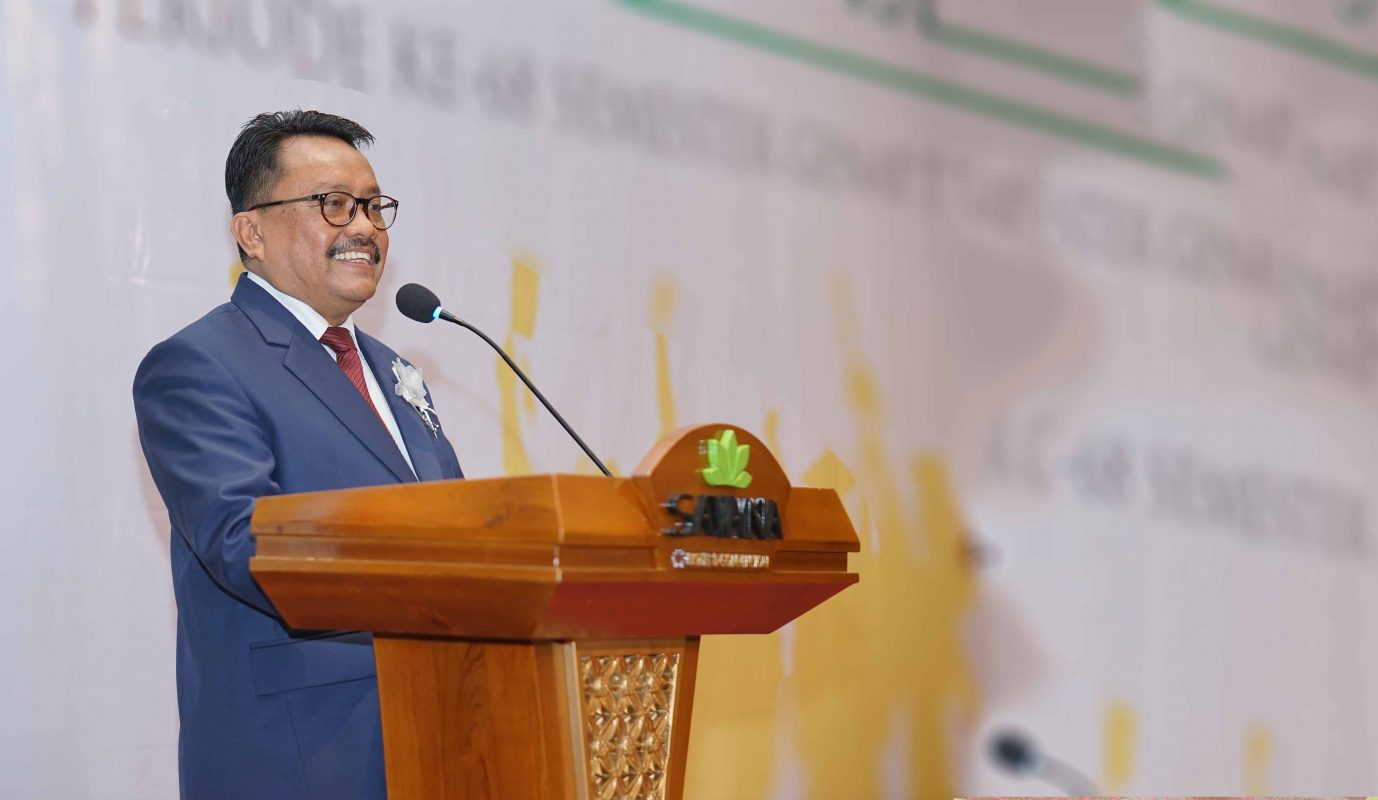
Academics and analysts have weighed in on the removal of Cibinong’s prison warden, saying there are strong grounds to suspect corruption or a “repugnant” relationship between officers and inmates.
JAKARTA (tvOnenews.com) News that Cibinong’s prison warden has been removed has drawn public scrutiny and dominated social media. Academics from Universitas Islam Malang (Unisma) have also criticized the case.
Indonesia’s Ministry of Immigration and Corrections (Kemenimipas) confirmed the report. It dismissed Wisnu Hani Putranto, warden of Class IIA Cibinong Prison, from civil service (ASN) and sanctioned 16 other employees.
The decision followed an Ombudsman investigation that uncovered luxury accommodation inside Cibinong Prison some time ago.
Professor Calls for Major Government Evaluation
Responding to the news, M. Mas’ud Said, Professor of Government Studies at Unisma Malang, said the government must carry out a major evaluation.
Said described the evaluation as a firm response to an anomalous “power relation” that could also tarnish the government’s image by exposing “repugnant” ties inside prisons.
“Officers who should hold authority have fallen into the reverse relationship. They appear powerless, even becoming ‘prisoners’ of money, influence, and corrupt facilities provided by high profile inmates,” he told tvOnenews.com on Monday (October 5).
“A repugnant, illicit relationship exists between powerful inmates and prison officers. This is a bad precedent that could open the door to a more thorough evaluation of correctional facilities across Indonesia,” Said explained.
Systemic Corruption Suspected Behind Luxury Facilities
The prolific academic also sees a structured system at work, one that surfaces indirectly through Ombudsman findings on apartment style “luxury facilities.”
Kemenimipas has already acted on findings from the Ombudsman’s surprise inspection, leading to dismissals and sanctions.
An investigation by its Inspector General found abuse of authority, mismanagement of state assets (BMN), and violations of several standard operating procedures (SOPs).
“It is strongly suspected, and has been proven, that the network of figures housed in those 10 buildings gave corrupt rewards to the warden and field officers on a massive, planned, and systematic basis. Inmates must have borne heavy costs to numb the system until it was nearly dead,” said the author of the 2007 book Birokrasi di Negara Birokratis.
Prison Discipline and Rehabilitation Under Threat
A warden, Said noted, should represent the state’s security and rehabilitation structure inside a prison.
Rehabilitation systems, corrections bodies, prison structures, and facilities are all systemic tools for enforcing discipline.
They should also regulate inmate behavior to deter reoffending and encourage genuine repentance upon release.
“It can be said with certainty that large scale illegal levies, corrupt transactions, and prohibited collusion occurred between supervisors and the powerful groups under their watch. The system collapsed under money, influence, and massive gratuities,” Said stated.
Ministry Sanctions Former and Current Wardens
In connection with the case, Kemenimipas Inspector General Rudi Setiawan also examined and sanctioned Cibinong’s previous warden, Usman Madjid.
“Yes, we examined both former and new wardens and handed down punishments,” Rudi said.
Wisnu said he was among the 17 employees sanctioned and was dismissed from his post and civil service status.
“Yes, I’m among those 17, dismissed from civil service,” he said. (klw)
This article was originally published on tvOnenews.com
Two points to verify against the original: I read “masih” in Said’s third quote as “masif” (massive), and the Wisnu paragraph is ambiguous in the source, so I treated it as the dismissed warden speaking.
